Showing posts with label life skills. Show all posts

How I Currently Deal With Anxiety -- My Tips For You


Hello everyone

I'm back after a long time. I had been very busy with a vocational training and life in general. Now because of the quarantine, I found myself with extra time on my hands -- so here I am, with a new post.

When the quarantine started I found that my anxiety skyrocketed. And I'm definitely not the only one, I realised that a lot of people around me were dealing with similar issues. Everyone is going though a hard time with all the uncertainty around the Covid virus, but people with pre-existing mental health issues can have an extra hard time.
So I wanted to share a little bit how I take care of my mental health right now. and I hope it is useful for you.


The Life Changing Magic Of Walks


IMAGE TITLE


I walk every day that I can. I never thought I would, yet it's become something I can't imagine my week without. My walks are my safe space, my joyful movement, my mental health routine, my gift to myself.

If you'd have asked me about walks a year ago, I'd have told you they are not a real workout, and hence pointless.  They are good for senior citizens or dog owners, that they are boring and time taking. So what changed?

I was on a Mutter-Kind-Kur this autumn, which is a rest cure for mothers, something paid by the German universal health-care. I got a place in what is one of the most idyllic cure places in the entire country, and the entire four weeks were amazing. Apart from all the treatments for the body and the mind that we got, we were told to take daily walks in the hills that stretched right before the door. My city-girl ass wasn't exactly excited at this prospect. I went on very slow, very short walks and tried to avoid going uphill. After the first week I noticed that my walks were getting easier and longer. And that they were having a huge impact on my mental health.

My walks start with my head full of swirling thoughts,  I look at the ground. After a hundred steps or so by walk relaxes into a rhythm, my back and my pelvis straighten themselves out into a comfortably neutral position. I noticed that I walk differently when I'm taking a walk than when I'm trying to get somewhere -- my posture is different and my mental space is different. At the end of every walk my mind is calm, my gaze is straight, and I am aware of the leaves and the wind and the sky.


“Above all, do not loose your desire to walk.
Every day I walk myself into a state of well-being and walk away from every illness.
I have walked myself into my best thoughts, and I know of no thought so burdensome that one cannot walk away from it.” 
-- Kierkegaard

The walks themselves were gorgeous, especially the ones in bad weather. One morning I walked through a silent wall of white mist, the path ahead and behind me barely visible. And then, suddenly, I was on the shoulder of the mountain and at the edge of the earth -- on the other side was a raging storm, and I could see nothing apart from swirling clouds. It's an experience that has stayed with me.


Not all my walks are that beautiful, or long. Sometimes I'm not feeling well and only make it down the street and back again. Other days I bike to a forest. Walking away from people and houses, in nature, has a whole different quality. I rarely ever plan how long I will walk. I just start, and then walk till I feel myself in my heart.


My Personal Rituals At The Turn Of The Year


I think that the end of the year is a pretty magical time, in the least it makes us pause and take stock of the last months.


Reviewing the year, backwards


In my journal I take stock of the past year by writing a couple of words, points or sentences for each month -- what important things happened, what was the mood of that month, how was I, what changed (or didn't ?) However I do it backwards, starting from December and working my way through November, October, etc. Doing this backwards is a game-changer -- it forces you to think deeper and helps you recognise connections and patterns you didn't see before, because it puts you into the position of an observer from outside rather than being in the middle of things.

Smudging and smoking


The tradition of using smoke to cleanse living spaces in very old in Europe as well, and in Germany it has survived in the for of the rituals done during the 12 days of Christmas, which are called here the Rauhnächte or the Smoke Nights. Usually juniper or locally gathered coniferous resin and other herbs are burned on glowing coal or tinder mushroom. I personally really enjoy this ritual and love harvesting sweet-smelling resin on walks in the forest,

Cleaning, decluttering, tidying


Sometimes I do a full round of putting my home in order. Sometimes I pull out one of Marie Kondo's books and read a little for inspiration, then I take stock of what doesn't serve me anymore. In a household with kids new stuff gets amassed fast, and I need to regularly stay on top of things. Also as I grow older I find myself reducing and streamlining my possessions, keeping only that what I truly love and need.

Burn the old on new year's eve


A friend of mine started this tradition where we meet on New Years Eve afternoon to burn things in a bonfire -- calendars, planner, notes, letters...

Get a haircut


Sometime in the beginning of January I get my hair cut. Sometimes it's a maintenance cut, sometimes it's a small change. And this time, well I'm thinking to cut my hair into a long, wavy bob.

Yearly Letter

A dream friend of mine writes a letter every December where she recaps her year, both important events and what she experienced, and sends it to her closest friends. I picked up this ritual as well, as it feels really good to sum up the year in this way and share it with others. I like to print mine out and give it personally (or post it by snail mail). If you want to try this tradition I advise to not be too superficial, to just start anywhere and go with the flow. Here is a short guide.

What do you do in the days where the old year turns to new? Let me know in the comments!

Photo credit:  Estée Janssens on Unsplash

Don't Forget To Carve Yourself A Piece, Or The Secret To Almost Everything


   I wanted to share something that I discovered for myself recently. You know the phenomenon where you are trying hard to make the best use of your time, money or energy? To be thrifty or extra productive or eat only healthy stuff? For a while it goes great, and then something goes wrong. At the end of the super productive day you end up in a slump before the computer instead of going of to bed. Or you suddenly lose motivation and don't do anything useful for weeks. Or you splurge on something useless, or binge. Sometimes time, money and energy slips in little doses through the cracks -- you spend a surprising amount on small treats, sneak in empty calories several times a day, get seduced by the lure of social media or window shopping or conversations with people you don't even like -- and then wonder where the time has gone.

   It was when I was trying to plan my to-do list according the Six Selves of The Habits Of Highly Effective People that I had the realisation of what I was doing wrong. In short, you play several roles in life and it is recommended that you have at least two tasks for each role each week. On of the roles is called Sharpening The Saw, and it's all about rest and regeneration. And then it hit me -- on most days I wasn't actively planning anything fun for me. When I didn't plan something nice to do during the day, chances were higher that I would end up wasting time at the evening, usually at the computer, too tired to do anything that was actually fun.
  It's not a secret -- if you take breaks, you have better chances in sticking to your plan long-term, whatever that plan may be.

   I few days back I tried this theory out by taking around 45 minutes to read a book by a lake. It's just an urban lake and nothing exceptional, but I love lying on the wharf with a book, plus it's just a few minutes by bike from my home. (Being away from the house is also an important factor here -- I could focus completely on rest and not on the chores waiting to be done.) In the evening I felt satisfied with the day and didn't need to veg out in front of the computer. I went to bed at a reasonable time, and felt amazing the next day.

So, my theory is this. To make the best of my resources, I should plan:

* Me-time: no self-improvement, just pure fun or pure relaxation.
* Me-money: Again, pure enjoyment.
* Food I actually enjoy:  Good food. Guilt-free. Eaten mindfully.
* ?: What else is missing? I'll observe in the coming weeks.

Quality and regularity is quite important here. Not everything counts!

What loves you back?:

    Which activities do you genuinely like, and which ones make you actually feel better during and after? For example studies have shown that people watching TV are relaxed during, but afterwards they are just as stressed as before. Things that are touted as relaxing might not really be that much fun for everybody -- I don't really enjoy at-home-spas since taking care of my skin and hair bores the hell out of me (I just do it for the results, just like flossing). However it's really important to listen to your gut and observe what you really want and what is good to you. Don't let anybody tell you to go to the gym during your lunch break or read a challenging book when you'd much rather lie on a park bench or feed ducks.

   To find your activities for this time, ask yourself: what activities make you feel good both during and after? 

Quality:

  Quality wins over quantity, especially when it comes to spending money. It makes sense to decide how much money you have for personal fun each month, and to spend it on items from a well thought-out wish list. While saving up for months on pricier designer items might be some people's approach, it's not my thing -- I wouldn't want to have to wait so long, and besides that I might end up not liking / using the item as long as I think I would. Also, transient pleasures have their place too -- a bouquet of peonies from the flower market, some really nice chocolate, crafting supplies, an interesting magazine.

Rhythm:

   With time, it is really important to block off me-time each and every day, even just 20 minutes, but hopefully a bit more. I often take a bit of time off on my way back from work, to sit on the riverbank or have a coffee in my favourite cafe (or just the cafeteria) or sometimes to visit the current exhibition in an art gallery. When I plan the week I usually pick one day as me-day, where I plan in a bit more time.
You can't recompensate for work-packed months with a week or two on the beach, our bodies and minds don't work that way. Not even machines work that way.

   The hardest thing about caring out me-time and me-money is that you have to say no to other things and people. It might feel really self-indulgent and selfish. You need to realise two things: first, you'll probably manage the rest of your stuff better after you've carved out your piece first. You'll be more patient with the kids if you take time out for yourself; you'll be less inclined to impulse-buy if you plan a couple of special buys each month.
   Second, if you don't plan it, your subconscious will reclaim it anyway. Sooner or later you'll burn out, you'll lose motivation, the quality if yours work will go down, you will get grumpy and resentful. or you'll get sick because your body and mind will demand a break. You'll be tempted to splurge a bunch of cash just because the idea of doing something for yourself will sound so great.

For parents (or caretakers of elderly parents): 

    A friend who works as a therapist told me that stay-at-home-parents should spend a minimum of 6-8hours of personal free time a week outside the house (sans family) in order to recuperate and be happy at home. It is much harder to regenerate at home as it is simultaneously the work place, and one is constantly interrupted). So spending quality time with the family is also usually not "quality me-time".

 These are my musings on the topic so far. I have been trying to live according to  these thoughts in the past months, and I must say that I my mood is better and I feel more rested. If you'd like to share about hat your favourite mini-breaks are, let me know in the comments.


My Favourite Things To Do In Autumn + How I Prepare For The Cold Season


     Even though summer is my favourite time of the year, I love seeing the greens and goldens of early autumn turn to siennas and reds.

The things I look forward to:


* Wearing "real" outfits. Summer means mostly throwing on a dress, sandals and maybe a shawl for the evening. Effortless but it can get boring in the long run. Autumn means creative layering, interesting accessories, combining my lighter summer pieces with knits and woollens, playing with textures.
* Teas and other warm drinks. With lots of cinnamon and ginger. Matcha lattes and hot chocolate.
* Everything is so beautiful! Grey mists and strings of bedewed spider webs on one day, decadently colourful leaves in the low, almost amber light on the next.
* Flying kites. I'm really good at it.
* Bonfires. It was much too hot this summer for any, but autumn is the perfect time to enjoy as many as I can squeeze in before it gets too cold.


Things I do while it's still warm:

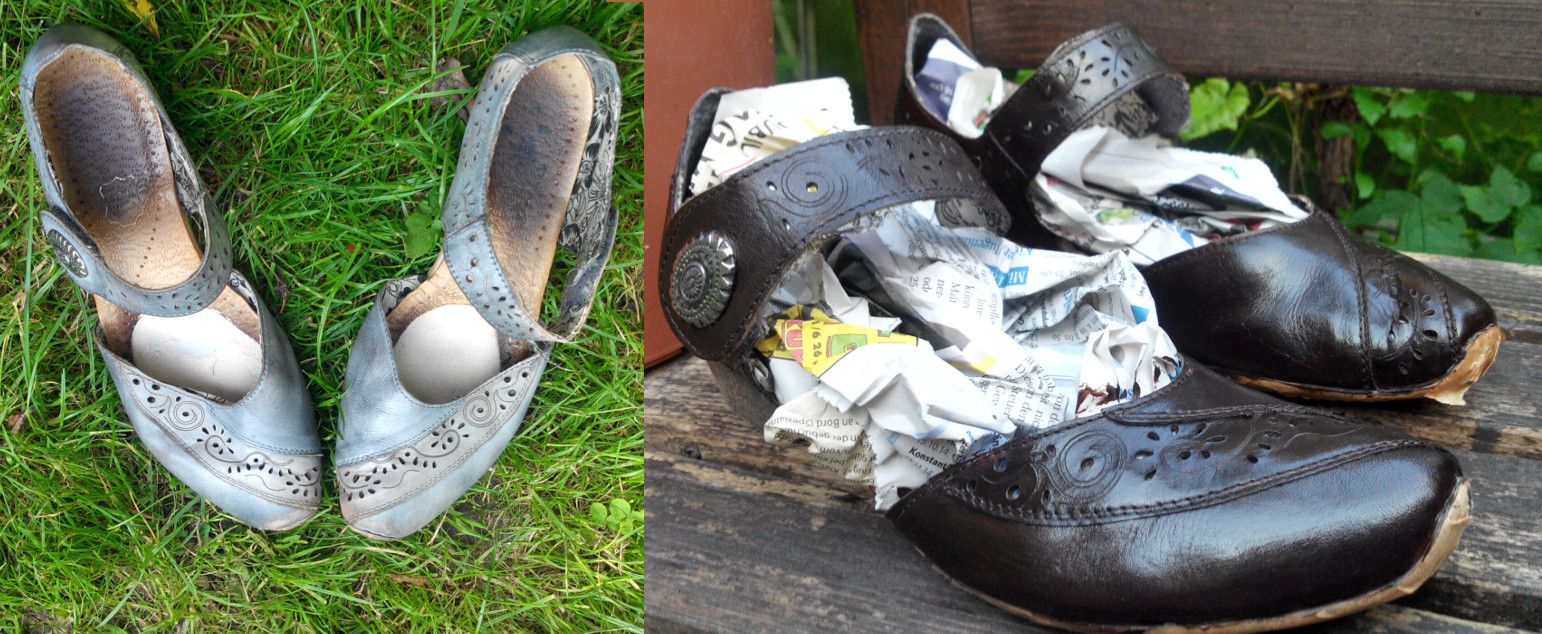
* Put all my shoes out in the sun for a day, it kills all the odours.
* Drink teas with the last of the fresh herbs -- lemon balm that sows itself wild in random nooks all over my garden, holy basil in a pot which I adore to death but never manage to bring through the winter, and fresh nettles. 
* Switch out some of my clothes, put away the summery ones that I can't mix and match with warmer stuff. Get out my boots and sweaters.
* Launder the big stuff around the house, like curtains and rugs. I line dry, so I much prefer doing this when it's still warm.
* Take my wrist-warmers, shawls and headbands out of storage. I have quite a collection.
* Visit thrift stores on the day they switch to cold-seasons stuff and pick out sweaters made out of natural yarns.
* Getting inspired by the knitwear from Outlander. I also taught myself to crotchet and make one Outlander-ish piece a year.
* I start taking my St John's Wort supplement and vitamin D, which really helps me during the dark cold weeks of winter. 
* I wear a lot of rings, earrings and brooches, as well as chunky necklaces that work with sweaters.
* I start lighting candles as soon as dusk falls. I have discovered salt lamps for myself, they do wonders for the air quality in the room. When I walk into a room where a salt lamp is burning, I can smell the faint salty smell and it's just so clean and calming.

Do you love autumn or is it not your favourite season? What are you looking forward to this autumn and winter?


Photo credit: AZGAN MjESHTRI on Unsplash

I Realised I Haven't Been Really Taking Care Of My Body -- Inspite Of My Entire Beauty Routine


Recently I realised that since years I have not really taken care of my body. You heard that right. In spite of exfoliating, moisturising, nice clothes, make-up, I have been neglecting it. Sounds like a paradox? Let me explain.
Here is how it happened:

These past months have been extremely stressful for me, and I began to have body pains that were psychosomatic in origin. The peak point  was after an experience which finally relieved me of a ton of heavy responsibility, and almost exactly in the same moment all the stress and pain of the past months finally crashed down on me -- not just mentally but physically. Everything hurt, body and soul.

With my therapist I learned that when I took a couple of minutes to sit with whatever I felt, the sensations would calm down and I would feel better. Paying attention to my body sensations, especially the tense tissues gradually released whatever was stored there. Physically it felt as if things were evaporating from my tissues, and left me feeling light.
I had to be actually present and in my body. This was not easy. And then I realised I have not done this since a long time. I had never actually sat with my body, never actually listened to it, not since a long time.

I looked back at years of body care, of dressing nicely, taking care of my skin and hair, exercising and eating well, of going to the doctor whenever I felt something was off. All this time I had been taking care of my body as if it were an object. I exfoliated and moisturised just like I scrubbed my kitchen counters and oiled my chopping board. When I applied Ayurvedic oils on my body, I felt how my skin felt to my hand -- but never actually felt how it felt to be touched by my hand. I didn't really pay attention to hunger cues. When I did pay attention to the sensations, it was often with judgement.

Why?
Because, as I wrote in my last post, it can be dangerous. Feelings may rise up that one doesn't want to feel.

I wanted to share ways in which I try to get in touch with my body in small steps, but one of my favourite instagrammers has coincidentally shared her very similar ones in a much more poetic way:

K E E P • I T • S I M P L E . Recently, on my friend Natalie's new podcast, I had the opportunity to reflect on what self care means, looks like, and allows me to do in my own life. What I realized through that conversation is that the most important self care practices are also the most simple. When we tend to the basics, we begin to thrive naturally. While it can at first seem seductive to take a ten day retreat in an exotic location and return to your daily life ready to take on the world, I personally don’t think things works like that. Real vitality and resilience are cultivated through offering our full attention to the simple tasks of daily living - again, and again, and again. . Self care costs nothing. Want to practice it right now? Put your phone on airplane mode and go outside. Breathe the sweet air all around you. Take a minute to fill your favorite glass with water, then drink it slow. I’d you’re still thirsty, drink more. When you get home tonight, turn out the lights thirty minutes earlier than unusual. Light a candle. Sit still and breathe. Dance. Massage yourself with or without oil. When you are hungry, eat food. When you are tired, rest. When you feel overwhelmed, slow down. If your life feels chaotic, do less. . The most meaningful solutions are those which are slow and steady, and which you already hold within you. Because you know what you need to do to take care of yourself. If you say you don’t, more than likely what you mean is that you do know, but that you don’t want to do, or don’t believe that you can do, whatever it is you know you must. This totally okay and totally normal. Sometimes all we need to get back on track is a gentle reminder that it is okay to nourish ourselves in whatever ways we need most. . So, I hope you’ll listen to the recently released interview I mentioned above. It was recorded last week with Natalie Ross of @selfcareclubbb and @dreamfreedombeauty. And if you're doing pretty groovy right now, then this might be a good one to bookmark for a later date when you need a little reminder of just how and why to care for your sweet self. . . photo by the truly incomparable @lesliesatterfield
A post shared by S o p h i a • R o s e (@laabejaherbs) on


I would love to know your thoughts about this topic. I know I have been rather personal here, and I promise that the blog will not be taken over by such "heavier" topics. However I wanted to share this realisation as it has played a huge role in my life, and it will doubtless colour the way I will be approaching my personal beauty care.


Why Do We Moisturise Our Bodies Briskly Rather Than Sensually, And What This Has To Do WIth Emotions


This question was posed in a blog post which, if you understand German, you should absolutely read. The answer was: because it is dangerous. Feelings may bubble up that we don't want to feel. During our lives we push away feeling we don't want to feel, and these get stored in the body.

Touch can release those feelings. Most of us aren't really good at actually experiencing feelings. Maybe we have been taught that negative feelings make others uncomfortable, or we have never learned how to experience them without getting carried away by them.
So we learned to push away the feelings. And they get stored away in our bodies, in the fascia.

The negative feelings we store in our bodies may be big hurts and traumas, but they may also be also smaller things. Big and small fears, difficult childbirth or nursing experiences, bullying, heartbreak, work stress.
When I am in a tense situation I can feel the stress creeping up my back and shoulders, and my fascia feel tight and knotted under my hands. Yet till now I never stayed in the moment with the emotion to actually acknowledge it and let it flow away. So it just got stored there till it built up to pain and migraines.

The negative emotions stored in the fascia can (or feel be released in many ways: through touch, movement, massage, concentrating ourselves mentally on the aching body parts. That is why it sometimes happens that people randomly feel overwhelming waves of emotion or break into tears during yoga, massages or even random theatre exercises.
This is also the reason why we crave the touch of others.
It is also the reason why it can be so hard to give real attention to ones body (something I plan to write about in the next post).
And even though it isn't easy, it can be so freeing, when you turn your full awareness towards your body. Whether it's a body scan meditation or moisturising your body after a shower, sensually.

It can be helpful to have someone to talk about anything that may rise up. A therapist, a supportive friend or even a journal can be helpful.


On a similar note I have been reading Intuitive Eating recently, which is a really revolutionary book about reconnecting with your body's needs and learning to understanding its signals.

Id love to know your feelings on the topic, and if you can recommend any books to me on the topic I'd be really grateful.

Photo by Cristian Newman


Tried And Tested Hangover Remedies From Me And My Friends


So probably at least some of you plant to be hungover this Sunday, so I thought I'd share some of my hangover remedies as well as ways to prevent getting hungover in the first place.

* Stay hydrated
This is a no-brainer, but in practice it's not always so easy. A friend of mine swears by following each glass of alcohol with a glass of water. In Germany you can usually only get soft drinks or sparkly water in bars at night, however in my city the tap water is one of the best in the world so everyone (or at least cheap frugal people like me) just drink out of the hand washing tap. I have also been known to hide a plastic water bottle near the entrance of the club or in my coat or bag. It's pretty common for women to pile their handbags in the middle of the floor and dance around them, it's kind of funny actually.

I usually pre-hydrate on the day before a big night out, so that I'm starting with a surplus. And then drink a lot of water when I come home. If I do it right, then I don't have a hangover at all the next day.

* Eat carbs + fat
Nausea happens when the stomach has to digest lots of alcohol and nothing else. Eat something absorbent carbs like crackers along with fat, and you won't get nauseous. Pizza is great, but peanuts also work. I usually stash a snickers bar into my bag when I go dancing, and when I get home I eat something before going to bed.

* Sauerkraut or pickled cucumber juice
Not sure where I picked this up, but it works. Funnily I don't like the taste very much normally, but after a night of partying I crave it in the morning. Sauerkrautsaft and pickled cucumbers (pickled, as in with live cultures, not those in vinegar) is full of electrolytes probiotics, minerals and vitamins. It's actually sold in most stores in Germany. Obviously actual Sauerkraut is good too, as well any other food or drinks with (live) probiotic cultures, like pickled cucumbers.

* Oil pulling
My friend swears on this. You swish oil around in your mouth for 5-10 minutes. It gets rid of the weird taste in the mouth and surprisingly made me feel much better.

* Milk Thistle supplement
Take one before you start drinking and one at the end of the night. Not only does it prevent hangovers, it protects the liver. 

* Ginger and peppermint tea
Best with honey. Soothes my stomach and peps me up.

* Tomato juice or banana.
For the potassium.

* Do not use paracetamol / acetaminophen / tylenol !

It is damaging to the liver, and it can be dangerous when the liver is already stressed with alcohol.

Obviously the best way is to drink with moderation. This can be difficult for some people. There is a saying "first you have a drink, then the drink has another drink, then the drink has you." I have never drunken more than I could handle because I have a weird little system: I count the levels of the effects of alcohol. 0 is completely sober, 1 is a slight buzz, 2 is I'm having trouble pronouncing the longer German words, etc. When I notice that I'm on level 4, which in my case is having problems with balance, I don't buy another drink until I'm back to level one. (To be fair, I have trouble walking straight when I'm sober, I usually bump my shoulder into the person I'm walking next to. So this scale is extremely subjective. I've seen people losing their capacity to talk without slurring but stay completely balanced.)

What are your hangover remedies? Have your tried Sauerkraut juice?  

Also, happy new year to all of you! The Germans have a very funny way to wish that, they say "guten Rutsch" which means something like "a good slip/slide (into the new year).

Photo credit: Naomi August via Unsplash

Balancing Your Beauty Budget Part I: Spending Categories and Priorities


Beauty should not be a big part of your budget.

This might sound strange coming from a beauty blogger, but it's true. There is just so much more that you can put your money to, like experiences. Or learning. Or charity. 

That said, most of the time we don't actually know how much we are spending on our skin, hair and makeup. Or if we know, the spending is often not in line with our actual needs.
IMAGE TITLE

To make a beauty budget that serves you, it helps to have broad guidelines as to how you actually want to spend your money. I don't want to discuss how much exactly is "fine" to spend and what is "too much" since this is a very individual thing. But let's assume that a) you choose to set a limit to the outflow of money that goes towards beauty, and b) you want to spend that outflow in a way that serves you best.

Splurge categories:

The first step I suggest is defining your top priorities, or what I call splurge categories. These are the things you'll be spending most of your money on.

Sun protection

Because prevention is better than cure, and there is no other prevention like sun protection. And good sunscreen doesn't come cheap. Don't skimp here.

Beauty problems and goals

What is the biggest issue of your skin and hair? If you could define one or two beauty goals, what would they be? Be specific, like increasing hair volume or dealing with under-eye circles. Long-term issues like psoriasis also come under this category.
This part of the budget will help you buy a couple (not more) of well-chosen products for your needs. Maybe you need a very specific mascara or concealer. Or a serum that deals with hyperpigmentation. Or maybe you want to put away this part of the budget to save up for eyebrow blading. Whatever it is, it should address the bigger issues.

Joy

Because man does not live by bread alone, you need hyacinths for the soul. For this category pick something that you love. Artisanal soap. Lipsticks. A face mist that doesn't do much but smells heavenly. I believe that consciously choosing a couple of luxuries that really make your heart sing will prevent overspending and impulse buying in other categories.

How much exactly you want to assign to these categories is something to decide for yourself. If you're in doubt I'd say that you can start with assigning half of your beauty budget to the Splurge categories. You can adjust this later on. At this point it would be interesting for you to know how much you roughly spend on your beauty needs each month. Try to note down last month's expenses, and see if they are in line with your general spending values.

What would go into your splurge categories? For me this would be mineral foundation and serums (goals) and highlighters (joy).

Photo credit: Fabian Blank via Unsplash

Living With The Rhythm Of The Seasons


Living With The Rhythm Of The Seasons

with the seasons is one of the things that has grounded me. I was not a huge fan of anything but summer and innerly resisted the entire eight months that I find way too cold. I still have a very hard time adjusting to the darkness in the winter. But in the past few years something has shifted. It had something to do with the way the school and kindergarden of my kids follows the rhythms of the changing seasons, and celebrates the bigger and smaller festivals. The rhythm pulled me in. And Id found it to be a very calming and reassuring one. It gives me an overview of the year, it starts looking more like a circle and less like an never-ending line.

Whether I want to or not, the clearly defined seasons of central Europe dictate a lot about how I spend my day. In places where it's summer all year long life seems somehow a bit more endless. Then there is south Asia with it's six seasons that flow imperceptibly into one-another (except the monsoon, with it's wildness). Here, the seasons switch in a matter of a few days. It was still summer last Sunday, today clearly autumn is here. Winter will arrive abruptly too, with it's biting cold.

Summer is easy. Summer is so vibrant that it carries me with it. I bike everywhere, have endless energy. We just need to slip on our shoes when we want to go outside, the city is full of festivals and concerts and street musicians, my garden bursts with flowers and berries, when it's too hot we walk barefoot in a fountain in the city square. At the end of summer I realise that maybe today is the last day in a long while that I'll be lying in my garden without a jacket, that there is so much that I have to put away. Till May. It makes me feel that life is slipping away in a sense.

After a couple of years of struggling with this, I have learned that going with the current can be a beautiful thing. Instead of shutting myself away from the changes, I choose to live them. Through the small things in everyday life. Eating things that are in season for just a short while. Wild mushrooms, corn, strawberries, asparagus. Through scents. Decorating my home with things from outside, be it fresh flowers or pine cones. Or things we make, if the outside doesn't have much to offer at the moment. Through fresh flowers in the summer and candles in the winter.

Here is what my seasons look like:

Autumn:

Picking mushrooms, spicy teas, boiled corn, picking up unfinished crocheting projects from last winter, collecting Hawthorne berries, incense, collections of pine cones and acorns and chestnuts, pumpkin soup, lantern at St Martin's, raking golden leaves, bumping into hedgehogs at night, pickling vegetables, using perfume again.

Winter:

Wool, warming salves, crocheting, sauna, snowball fights, big warm scarves, thrifting handmade woolen socks, very strong ginger tea, folding stars for the windows, skin oils, singing carols, soups, the crunch snow makes when you walk on it, sparkly snow under lanterns at night, hot Glühwein, oranges, browsing at Christmas markets, bringing out handmade Christmas ornaments from past years, votives in the middle of my crystal collection, baking, having someone else bake something for me, Baumkuchen and Lebkuchen.

Spring: 

Light green, birds nest as decor, rubber boots, smoothies, ponchos, asparagus with potatoes, the first regional strawberries, making bunnies out of felt, feathers, spotting birds and squirrels among the (yet) leafless trees, buying a hyacinth for the kitchen window, the first ice cream of the year, first caterpillars and first butterflies of the year, Fasching party with my friends, yellow, getting my biannual haircut, the scent of lilac.

Summer:

Fresh herbs, bicycling, crumpled linen, water kefir, simple dresses, a bag with my bikini and a scarf always in my bicycle bag, meeting friends outdoors, fresh aloe vera gel, the scent of skin when it's been warmed by the sun, painting my toenails, browsing through flea markets, peonies, shells on the windowsill, fresh lettuce from a friend's garden, very long bicycle rides, hats, cold cider, pottering around in the garden.

Image via Sylwia Barytzel

Cold Weather Bicycling Essentials And Tips


A bunch of my friends are hardcore year-round bikers. It's not unusual for Germans to leave their car at home in the summer and bring their kids to school or go to work by bike, but recently I have been seeing more and more people doing it almost the entire year. Very rainy or snowy days seem to be getting more and more far apart in the winter, and biking paths are getting better.

Biking is a great way to slip in exercise during the day without investing too much time. I also notice that it leaves me much less tired than all other modes of transportation, it's probably the lack of people, noise and smells. It's also a great way to get to know your city better -- I love discovering side streets and small shops.

Summer biking is pure joy, but cold-weather biking takes a bit of extra preparation. From my friends I picked up a couple of very ingenious tips:

Image via Velovoice

Mud flaps

 A bigger mudflap on the front fender keeps your shoes from getting spritzed. I got the Bibia mudflap because it's one of the longest ones.

Furry seat cover

This keeps your fanny from freezing, particularly if your bicycle has to stand outdoors for longer periods of time. You can use faux fur as well, and you can probably easily DIY one from furry / sheepskin rugs from thrift stores.

Waist warmers

If you get cold around your kidneys, you'll love this. There are two kinds -- the neoprene ones for bikers are waterproof and can be easily put on thanks to a velcro closure. Then there are the regular ones made of wool or other fabrics, they can be worn underneath clothing or used as a layering piece (they look like the bottom part of a longer top). The warmest ones that also adapt to the body temperature are made of merino wool. Tube tops can be used as waist warmers in a pinch.


Ear Warmers

A really simple way to keep your ears warm while wearing a helmet. Unlike caps and headbands, they don't distort the fit of the helmet, and they don't get easily lost. They are threaded onto the strap of the helmet. The ones from Hot Ears come in two shapes for the two different strap types. Again, this can be easily DIY'd; I imagine that if you use real (wool) felt they would be even warmer. You could also try knitting or crocheting them.

Ponchos

I love ponchos for autumn biking. I get cold around my neck and chest area first, so when the weather isn't very cold a poncho is the ideal thing. It keeps the chest area toasty and lets the breeze cool down my back. I usually wear my ponchos together with:

Pulse warmers

I find that in the autumn my wrists (and ears) freeze during bike rides, even as the rest of my body heats up. For milder autumn days I love the combination of wear short sleeves + pulse warmers. For colder days, wrist warmers close that annoying gap between your gloves and your sleeves. Again, fabric plays a very important role here, silk and real wool warm much better.

Diver Spats

If you are biking in cold and wet weather, these will protect your shoes and ankles from getting cold and dirty. I got this tip from a guy that dives as a hobby. There are different kids available, with more or less coverage. I actually own a kid-sized pair too, and they are amazing for keeping snow from getting into the tops of boot of small kids.
These trap the heat in, so for extra toastiness try warming up your shoes by blasting them with a hair dryer or putting them near the heater.

Gloves

A pair of thin silk / warming-technology gloves can be worn on their own or layered under thicker gloves. You can find great ones in motorcycle stores.

Real wool jacket

Last years I biked a lot with a real wool jacket, and I was pretty surprised how it adjusted to whatever the temperatures were outside. I could wear it from anywhere between +15 to -10°C, and it wasn't even a very fancy jacket -- t was from Zara, thrifted. It ventilated my underarms and back in a way my Wolfskin jacket with the underarm holes didn't. This year I thrifted a very chic coat with Alpaka wool and am stoked to test it out.

What are your cold weather biking essentials?


What's On Your Autumn Bucket List?


My Autumn Bucket List


   I am slowly learning the wholesome joy of living with the rhythm of the seasons. I'm come to enjoy the autumn for what it is, once I stopped the rut of mourning for the summer and trying to block out the sceptre of the cold, dark winter. Golden leaves, deep blue skies, and the bounty of fruit and vegetables, the first sweaters and the first candles...
   And because I'm pretty much lost without lists, I make lists of things that I want to do each season. Bucket lists, inspired by friends, blogs and books.

Here is my bucket list for autumn. What's in yours?

* Enjoy the last ice-cream of the season, the last time in a bikini outdoors, the last time being outside without a jacket.

* Light more candles. A friend of mine lights one as soon as she gets home every day, and I find that really comforting as the days get darker.

* Enjoy the last of fresh herbs. Especially the ones that grow in my garden.

* Pick mushrooms.

* Make vegan eggnog.

* Enjoy the fresh apples and fresh plums. Bake with apples and plums. Make smoothies with apples and plums.

* Cook lots of mushrooms, corn and pumpkin soup. I love pumpkin soup, it's one of those fool-proof meals that even I can't mess up.

* Discover more favourite teas. I love teas based on warm spices like ginger and cardamom, and my last year's discovery was the Pukka Peppermint and Licorice.

* Visit a local farm.

* Take a walk in the forest on a sunny day and enjoy the beautiful foliage. Maybe hoopdance.

* Find a spicy perfume for the cold season. All right, I actually found one, it's the Lola perfume oil from Hobbythek. I just have to mix it with alcohol to create a eau de perfume out of it.

* Make one more bonfire before it's really winter.

What I won't be doing:

* Going to the Oktoberfest. I went last year because I thought I should experience it once, it being the biggest party of the world and all. I decided the only things that would make it tolerable would be lots of beer and a big group of good friends, otherwise just no. The worst part is the way home with extremely drunk people lining the way to the train station and the whole train.
* Buying scented candles. They are nasty, the scents feel very synthetic to me. I much prefer burning actual herbs or resins; or using essential oils.
* Crocheting or knitting something. One day I will do this, but this year is not the year.
* Watching scary movies. I'm a huge scaredy cat and it ends up with me being scared to go to my own cellar.

  What's on your autumn bucket list?

Photo credit: By Pablo Basagoiti

How I Dye My Clothes And Shoes + Tips


Dyeing Your Clothes And Shoes
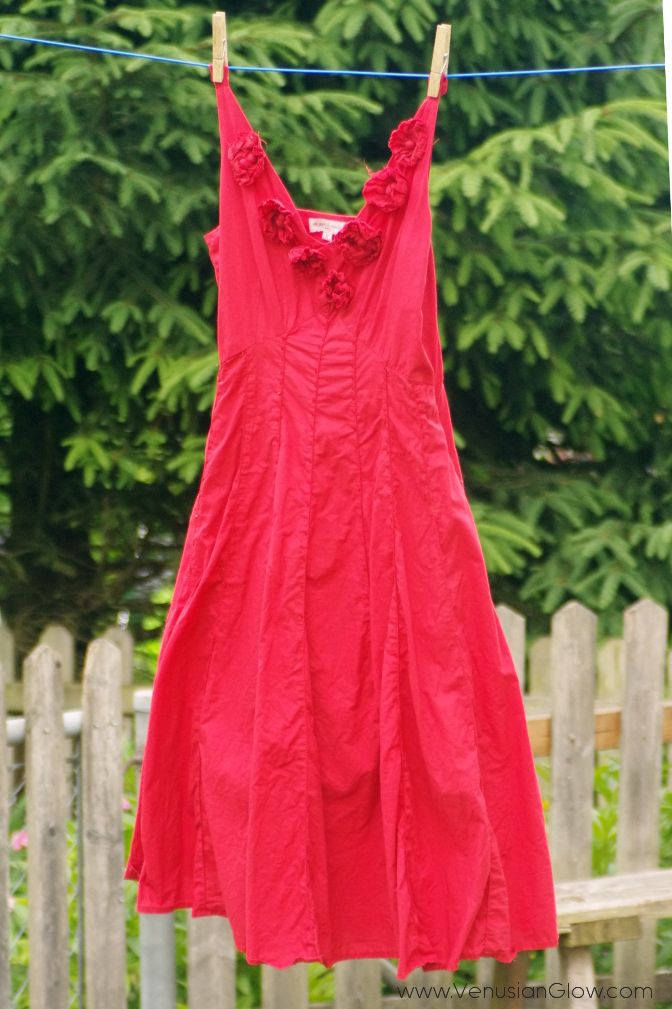
My favourite dress was getting faded, now it's bright red again

   This year I have been experimenting with dyeing a couple of pieces in my wardrobe, and I have realised that though the dye packets have detailed instructions on them they don't tell you what results to expect. After a bit of trial and error I finally got a feel for what will work and what won't. Here is what I wish I had known before I started my dyeing experiments:

* When thinking of the coverage of fabric dye, think of watercolours.

   That's more or less the coverage you'll be getting from a regular fabric dye. It will not completely cover the original colour of the fabric, it will kind of mix with the original colour. So if you are dyeing a blue garment grey, you'll end up with a greyish blue. Also the blue will probable be rather washed out, it's really hard to get a very intensive or very dark colour (you can try by dyeing the garment in a bucket or sink, using double the amount of dye and very little water).

* Fabric dye is amazing to refresh faded pieces.

   Especially black and red. Both these colours tend to fade pretty quickly and look old. A round with dye will make them look brand new again.

* Dye is perfect to slightly tweak a colour, especially on "difficult" fabrics or dark pieces:

   Syntehtics like polyester as well as wool don't catch dye well, but they will change colour a bit if you dye them. Ditto for items that already have a dark colour. I had several grey pieces that were a bit too cool, light grey isn't the most flattering colour on me. I threw them in with several other dye loads I was doing. Some are now a grey-brown which is quite flattering, some are a greyish-blue, some charcoal.

* Dye is sometimes the only way to rescue a stained piece.

   I had a lovely white bedspread which had lots of yellow stains. Now it's blue, the stains are invisible.

* Even if the fabric can be dyed, the threads might not be.

   Visible threads can make the piece look less elegant and more casual.

* Don't add the dye into the barrel of the machine

This can end up with darker patches. Always add the dye into the washing powder compartment.

Spray dyes and dye felt-tip pens:

  I own a lovely black canvas bag with white handles and for years I couldn't figure out  how to dye the faded black bits without removing and reattaching the white handles (I'm lazy). I then discovered that you can get textile dyes in spray or felt marker format. My spray dye is from Marabu, the coverage is pretty good. The dyed piece has to be ironed or baked in an oven to fix it. I have used up and thrown away the marker and completely don't remember what brand it was. Anyway, it was what I used to dye the faded edges of my canvas bag. Fabric paint pens are also pretty fun for kids -- my older one didn't want to start wearing undies after she was potty-trained, so I let her draw all over them with dye pens to make them feel "hers".


Dyeing leather shoes:

   After seeing a lot of pinterest tutorials I really wanted to dye a pair of shoes whose colour I didn't like any more. Many leather paint kits are really expensive, which was quite discouraging. After a lot of research I discovered the very affordable Morello leather dye, which I would recommend in a heartbeat. The coverage is really good, you could turn black shoes sky blue if you wanted to. The dye has the right consistency, and it holds up really good to use. The only downside (for me) is that the paint is rather glossy, I prefer matte. I also got the Entfärber (dye remover) from the same brand which prepares the leather by stripping it of any previous dye or products. I then painted the shoes with a paintbrush, I did two coats. There is still a lot of dye left over, and I could imagine dyeing a belt, bag or anything else.


    Well, these are my humble first attempts. If you have experience with dyeing, do you have any tips for me?


How To Stay Cool In Hot Temperatures And Enjoy Really Hot Days


 photo 2720535399_4f28009af3_b.jpg


    With the heat wave sweeping over Europe I wanted to talk about surviving the heat without looking and feeling gross. However as I started writing this post I realised that the key to a great summer is not just surviving, it's about slipping in things that make the summer feel amazing. A friend told me that summer feels endless when she spends time by the water, even if it is a quick dip the river after work. So here are my tips: a mix of

Hand fans
    This old-fashioned quirky accessory is extremely practical. I love slipping a hand-fan out of my bag and feeling a small breeze on my face when I'm stuck in a hot bus. I also get a giggle out of my friends borrowing them and then struggling to keep up a steady fanning rhythm with their wrists.
    Fans can be are so pretty -- I love the Japanese ones, but you can pick souvenir ones from many places in the world. I prefer ones that are small, light and not too delicate. Did you know that in Victorian times fans were a way to communicate discreetly, or that they could be used as ball books?

Mineral Makeup
    Nothing is as sweat-proof as minerals! I also switch up mascara for kajal because kajal is the only bit of makeup that actually looks better when it's slightly melted.

Thermal face water
  I picked up a small spray bottle of water at a clothing swap, and was surprised that my skin liked it more than regular water. It leaves my skin a bit tighter and the tone is more even. I like to spray it on my face and hair after a workout and when I'm sweating. I think that it cuts down on the sweating since it cools the skin in the same way that sweat would. Girl with curls and waves can revive their hair by spritzing it and scrunching it with their hands.
   A cheaper and eco-friendlier alternative to thermal water from the store is  a hydrolate (like rose water) in a small misting bottle.

Cool your strategic points:
  If you are really hot, spritz the back of your neck, wrists or (my favourite) the feet to cool down the body. The veins there are very close to the skin and the blood cools faster.
  You can put a body lotion into the fridge and apply it on one body part -- it feels amazing. Don't apply it on the entire body, as it might cool you down too much.
Being barefoot also feels cooler, even on a carpeted floor!

A good hat
   A hat with a big brim that protects me from the sun and is my biggest must-have in the summer. Hats are often seen as difficult to wear, but believe me when I say that there is a hat for every woman. The most common mistake is that women plonk the hat on the head from above. The correct way is slightly from behind. Try that, it will make most hats (and cap)s look much better! I love hats with brims that can be moulded and shaped with to make it more flattering to my face type. TkMaxx is my go-to for great affordable hats.

Handkerchief
   This is something I picked up from India and can't believe that I haven't seen in Europe yet. Basically, everyone carries a simple old-fashioned fabric handkerchief and uses it to pat the parts of the face where sweat collects. This  prevents it from dripping down the nose and chin which is so disgusting!


I never got around to do an actual review, so in short: it works, it's comfortable, and totally worth the €€. For best results wear it in a way that the clip is positioned on the inside of the thigh.

Bike everywhere
     The breeze in your face, you can slip through the traffic and get a workout. My bicycling essentials for the summer include a good hat, my BirdIndustries skirt garter clip to keep skirts and dresses in place -- I also love the long peg-shaped trousers clips for this -- I gather my maxi skirts and clip them, and off I go.

Dress right
    I think that everyone has a different body part which overheats! Butt? Wear floaty skirts. Boobs and arms?  Go sleeveless. Feet? Choose sandals or espadrilles.
    Of course natural fabrics are the way to go. However there is a huge difference between  different types of cotton -- typical soft and heavy T-shirt knits end to be clingy and hot, the best ones are light airy weaves because they are super light and don't cling to the body.
    Loose, light-coloured natural fabrics will keep you cooler than skimpy, tight synthetics.

Drink, especially water
    I talk about the importance of staying hydrated in every other posts, so I'll skip to this tip:  a warm (not hot) drink can be much more refreshing on a hot day -- a tip from the middle east (relevant study). Water is best, coconut water is also amazing.
    I like Sigg bottles for hydrating on the go because they don't leach into the water, are light and very robust. I use a small one on regular days because it fits into my purse and I can always refill it in most places (tap water is of excellent quality here), but I have a couple of bigger ones for family outings.

 Eat lots of fresh fruit and vegetables, especially seasonal ones
    Someone once told me that seasonal produce gives the body all that it needs to survive the season. Water melon helps you stay hydrated. In India, mangoes are said to help the body survive the heat.

Go outside and do something in the nature
   Go to a park and dip your feet in a fountain. Take a bicycle trip. Pick your own strawberries. Join a walking tour -- I love the ones about wild herbs.Read under a tree. Drink tea on your balcony.


Over to you: what are your tips for surviving high temperatures?

Photo credit: Deania

When Self-Objectification Gets In The Way Of Living Life Fully


 photo 5196386817_6cc9c2db35_o.jpg


     I have a simple rule in life: look your best, as long as it doesn't get in the way of living.
     This means I take a few minutes to put on concealer and mascara on most days. It also means I don't have problems in going out completely barefaced if I'm in a rush (or lazy).
    It means that I wear pretty dresses everywhere, but I don't wear heels because I hate it when my feet are tired before the rest of me is.
     It means that I end up donating clothes that I can't move in comfortably.
    It means buying flattering workout clothes, but not wearing makeup to the gym and not caring about looking sweaty.
    I means that I invest quite a bit in a good hairdresser so that I can have a haircut that looks good when it's left to its own devices.
  It means saying "yes" to a spontaneous evening out even if I'm completely under-dressed. It also means always having an eyeliner pencil stub and facial blotting paper in my handbag for such moments.
    It means that I never let my nail polish stand between me and what I want to do.
    It means that I carefully choose the most flattering swimsuit in the store. But when my friend spontaneously invited me to jump into a deliciously cold river on a hot day and offered to lend me her very low-cut bikini, it took me just a moment to contemplate on displaying my postpartum lower belly and then to say "yes". And actually having fun and not caring, to my own surprise.
    It means appreciating a well though-out outfit, a good hair day or a good makeup look; but also being able to say "I'm not here to decorate the world" when I can't be bothered to do anything more than put on the first thing I see in my closet.
    It also means purging my closet so that the first thing I see is never looks too bad.

    I was a bit of a tomboy when growing up, I wore trousers and didn't brush my hair and I enjoyed wrestling with my brother's friends just as much as sewing clothes for my Barbie dolls. For many years, well into my teens, I didn't give much thought into what I looked like while doing stuff. I think that this means I never really minded getting my hands dirty and my hair messy, and doing stuff was usually more important than looking good.

   It breaks my heart when I see people (no, not just women), denying themselves experiences because of their insecurity about their looks. Like not going to swim because they put on weight. It's not your job to be decorative! I want to scream.
   This video gave me a word to use for this attitude -- self-objectification:


     It's saying "I can't (...) because I look (...)". In the west it is the norm to talk about how women look when doing stuff, even if the stuff they are doing is so awesome that nothing else should matter, like winning the Nobel Prize or the Olympics or running for office. A lot of money can be made off teaching women to self-objectify and to fix their appearance. I still remember as a teen reading in a fashion magazine that "all women hate their hips"; until then I had never given a thought to how my hips look like. After that I spent too much time scrutinising and criticising bits of myself, until I stumbled onto the positive body-image movement that helped me to turn this around.

    It's not like I don't have insecurities and issues with my body image any more, I definitely do. I just make sure those voices don't dominate the conversations inside my head. I try to keep things in perspective, that my looks are by far not the most important thing about me or my life. Down the line it's experiences that are the most precious things in life, and I don't want anything getting between them and me.

   The next time you are in a situation where your body-image is getting in the way of an experience, take a moment to ask yourself: this time next year, what will I remember about this experience -- how amazing it was or what I looked like? Whose judgement am I afraid of anyway, and why? Will I regret not looking my best as much as I will regret missing out on this experience altogether?

Photo credit: KayVee.INC

Thrifty Beauty: Cut Open Empty Product Tubes


  Even if you really try to squeeze your tubes to get the last bit of the product out, you should still try cutting them open. You'll find that there is a surprising amount of product still in there.

   I thought that I was really good at shaking and squeezing out the tubes, but turns out there are always rests of the product that stubbornly stick to the sides. Cutting open my Lavera Self Tanning Lotion gives me enough for two whole-body applications, while the organic toothpastes last an extra four days.
   I "close" the cut tube by inserting one part of the tube into the other. You could also use clips.
   If a bottle has a pump dispenser, a lot of product usually clings to the tube even after the bottle appears to be empty.

   Do you also cut open tubes of products that you like? Let me know!


Tips For Living With Low Blood Pressure


How To Survive Living With A Low Blood Pressure


   A lot of women have low blood pressure. It's not dangerous, but can influence your life a lot -- from feeling sluggish to overeating. Mine is super low, still it took me years to realise all the little ways it has been impacting my life. So I wanted to share some tips about dealing with it!

Symptoms of low blood pressure:

   "Most women have cold hands and feet" said my doctor. "And a cold butt" added my husband. We laughed. Whenever I get my blood pressure checked at a new place, I get horrified questions like "are you even alive?" Older, more experienced doctors just smile and say "oh, hypothermia is really common among women." Many of my female friends have it, and I am surprise that many of them don't link many of the symptoms back to it.
  You can ask for a blood pressure test the next time you are at your doctor. At least in Germany most Apothecaries are happy to do it for free.
   Doctors often don't bother telling you about the effects of a LBP and what to do about them. It's a bit of a luxury disease, it's not dangerous like high pressure can be. However it can  influence the quality of your life, and cause stuff like:

Always feeling cold:

   Cold hands, cold feet, freezing really quickly. Sometimes I even feel cold when I'm in a bathtub full of hot water.

Being sluggish in the morning:

   Your blood pressure is at its lowest when you have just spend hours sleeping in the bed. I can't even close my fists tight in the morning, and it takes a while to get the blood circulating in my veins.

Snacking:

   "When I'm cold, I'll go to the fridge" -- said a friend with low blood pressure, and this was a huge revelation to be. Digestion creates heat in the body, and so the snacking starts as soon as you feel cold.

Feeling faint:

  I always thought this had something to do with my iron levels (I'm a vegetarian), till a doc sat me down and told me that my iron levels are perfectly fine (probably thanks to all the beets and nettles that I eat). It's the blood pressure that causes the dizziness, especially when I stand up quickly.

Headaches:

   When my blood pressure drops really low (usually because I haven't been drinking enough water), I get splitting headaches.

    All these things mean that I really hate the cold early mornings, and I suffer a lot in the winter. It's also harder to get me up and running!

How to cope with low blood pressure:


Drink plenty of water:

   This is crucial! Your blood pressure drops when you are dehydrated, leading to nasty headaches. I read recently is that the body can cope only with about a cupful of water at a time (drink more than that and it just passes through you), so it's important to keep drinking throughout the day. I usually carry a 300ml Sigg bottle in my bag at all times and refill it throughout the day. And I use the Drinkly app to remind me to drink it.

Kneipp baths:

   This has been recommended to me by almost every German doctor I have seen to stimulate my blood circulation. Kneipp developed many different types of water treatments for different types of aliments, and the one recommended for hypothermia is alternating low and cold water on the arms and legs. You start with warm water (as warm as you can tolerate), going from your palms up to your upper arms and from your feet till your thighs. After a few minutes you switch to cold water (as cold as you can tolerate) and again work your was from the feet and palms to the entire arms and legs. Alternate a couple of times to really get the circulation going!

Exercise:

    Raises the blood pressure and generally keeps you warmer! Ideally you should move for at least 30 mins very day, whether it is vigorous dancing, bicycling, walking at a brisk pace, or some kind of sport.

Dressed warmly:

   In the winter you might want to invest in one really good coat and warm shoes. Thermal underwear is amazing. I always wear thermal leggings under my trousers all winter (synthetic leggings are way warmer than cotton). Wool is much warmer than synthetics when it comes to sweaters and scarves. I own and wear thick wollen socks, wristwarmers, earwarmers, really warm scarves and caps, and of course gloves. I can't imagine surviving the winters without them.

A hot water bottle:

  I sleep with one most of the year. I recently got one with a felted wool cover as a present and it is amazing -- it doesn't feel too hot or icky cold.

Coffee

   This does raise the blood pressure, but be careful as this also dehydrates!

Watch out with herbs and medicaments

    Some lower the blood pressure.

Food:

   Eating warm food helps. Ginger, cinnamon, etc make me feel warmer.

Short naps

   Anything over 30 mins and my circulation slows down and leave me feeling really sluggish for hours. 20 minute naps are the perfect length as I can just get up and go on with my day.


  Anyone of you has low blood pressure? How do you cope? Do share your tips in the comments.

Photo by Christophe Maclaren

Check these out: